English| EUR
Suggested for you
More currencies
Choose a language
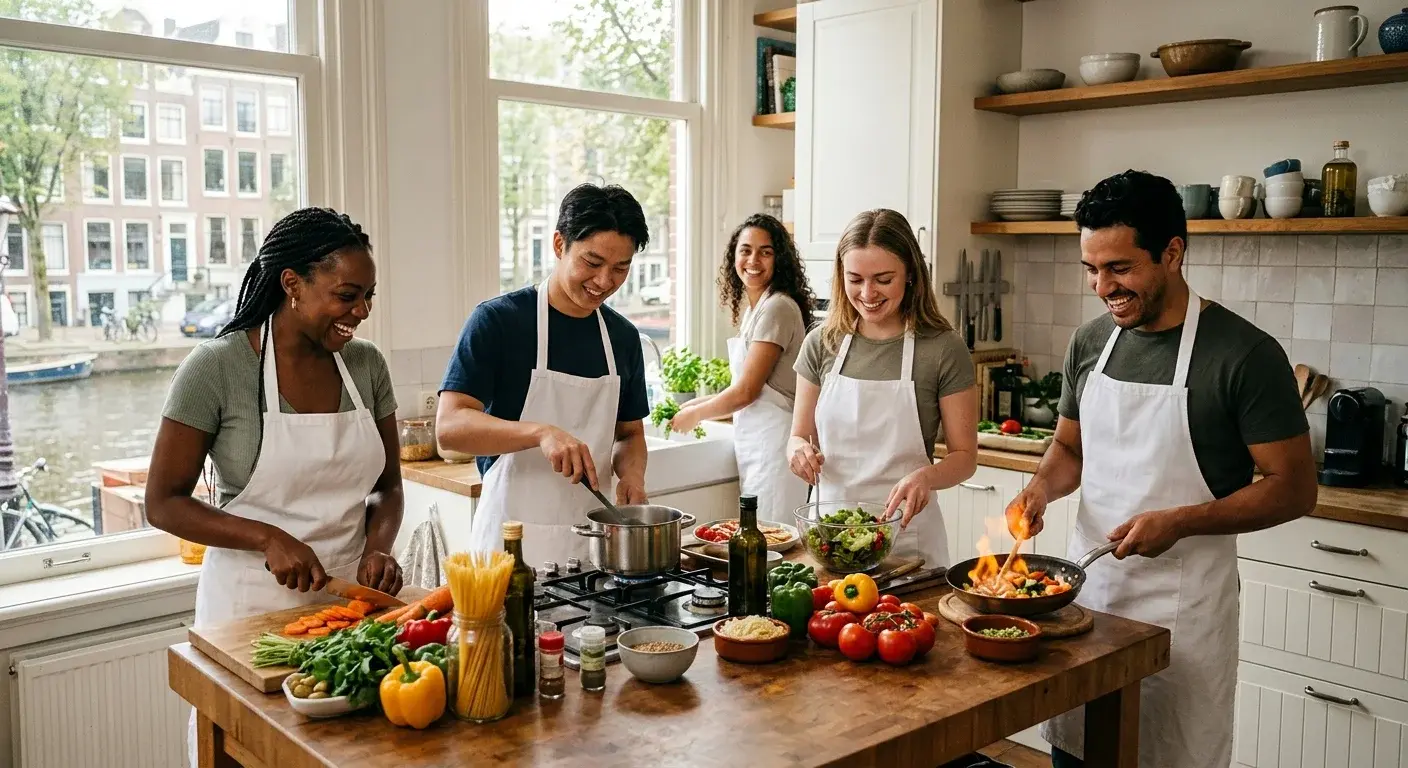
Amsterdam's cooking studios teach the regional cuisine shaped by centuries of trade, resourcefulness, and seasonal rhythms. Classes combine hands-on instruction with cultural context, from the spice-trade influences in Indonesian-Dutch fusion to the hearty stamppot variations developed during harsh winters. Most sessions include a market visit and a communal meal at the table you prepared.
Quick answer
Most classes focus on one or two traditional dishes—stroopwafels, bitterballen, erwtensoep, or stamppot—and include ingredient sourcing, hands-on preparation, and a sit-down meal. Advance booking is essential, as studio sizes range from 6 to 12 participants.
The Dutch kitchen operates on a logic of simplicity and thrift, where a handful of ingredients—potatoes, kale, smoked sausage, butter—become meals that sustained a maritime nation through long winters. Amsterdam cooking class amsterdam sessions unpack this tradition, teaching techniques that date to the 17th-century Golden Age while incorporating the Indonesian spices and Surinamese flavors that arrived through colonial trade routes. Most studios occupy historic canal houses in Jordaan or renovated storefronts in De Pijp, neighborhoods where open-air markets still anchor daily life. Classes begin at Albert Cuyp Market or Lindengracht, where instructors explain seasonal produce selection and the Dutch preference for locally grown vegetables. The studio portion covers knife skills, slow-cooking methods for erwtensoep (split pea soup), and the precise temperature control required for authentic stroopwafel batter. Participants work in pairs at communal prep tables, guided by chefs who explain regional variations—Groningen's mustard-spiked stamppot versus Amsterdam's milder version, or the difference between Gouda and Edam in cheese-based dishes. The cultural instruction runs parallel to the practical work. Instructors describe the role of the Dutch East India Company in shaping local palates, the post-war austerity that reinforced one-pot meals, and the modern resurgence of traditional recipes in Amsterdam's restaurant scene. Classes conclude with a seated meal where participants share the dishes they prepared, often accompanied by Dutch beer or jenever. Studios provide recipes and shopping lists, allowing visitors to recreate the menu at home. The format appeals to travelers seeking tactile cultural engagement rather than passive observation—the difference between reading about Dutch foodways and kneading dough for oliebollen at a 200-year-old kitchen counter. Sessions run year-round, with seasonal adjustments to the menu. Winter classes emphasize hearty stews and root vegetables; spring and summer incorporate fresh herring, asparagus, and strawberries from Noord-Holland farms. The instruction style balances precision with approachability, assuming no prior cooking experience while teaching techniques that transfer to home kitchens worldwide.
“The Dutch kitchen operates on a logic of simplicity and thrift, where a handful of ingredients become meals that sustained a maritime nation through long winters.”
The best arrival window for a Dutch cooking class in Amsterdam is between 10:00 and 17:00. Advance planning is essential to secure a spot during these mid-morning to afternoon sessions.
—
Classes are less busy, allowing for more personalized instruction.
Mild temperatures around 17°C
Book well in advance due to increased demand.
Cooler weather around 14°C
This period offers a balance of manageable crowds and comfortable indoor cooking environments.
—
These slots fill rapidly; early reservation is necessary to ensure availability.
Verdict: The best time to attend is Tuesday to Thursday during the mid-morning arrival window in April or October.
Follow these practical guidelines to ensure your culinary session in Amsterdam aligns with local customs and expectations.
Opt for flat, closed-toe shoes as kitchen floors can be slippery and standing for extended periods is standard. Avoid open-toed sandals to protect your feet from dropped utensils or hot spills.
Communicate food allergies or dietary restrictions directly to the organizer at least 48 hours before your session. Dutch kitchens prioritize ingredient transparency and need lead time to source alternative components.
Expect a collaborative environment where washing up and ingredient preparation are shared responsibilities among participants. Engaging in these tasks is considered part of the authentic Dutch kitchen experience.
Wear layers, as temperature fluctuations occur between the active cooking zones and dining areas. Avoid loose clothing or dangling accessories that could interfere with handling kitchen equipment safely.
Prepare to work with seasonal produce, as many local instructors prioritize farm-to-table sourcing. Ask your instructor about the origins of the vegetables and cheeses to better understand Dutch culinary supply chains.
Everything you need to know about dutch cooking class amsterdam
Yes, many workshops are family-friendly and offer hands-on fun, such as mixing batter for pancakes. Always check the specific age requirements for the workshop you are considering.
You might learn to prepare local classics like savory or sweet pancakes, hearty stamppot, or traditional snacks like bitterballen. Some sessions also feature regional seasonal produce or authentic Dutch apple pie.
It is essential to book your spot in advance to secure your preferred date and time. Make sure to note any dietary requirements or specific dishes you wish to try when finalizing your reservation.
Most culinary experiences are located in central neighborhoods, with a high concentration of schools found in the historic Jordaan and the vibrant De Pijp districts.
Absolutely, these sessions are a welcoming way for solo travelers to meet new people while learning about local food culture. The social environment of a shared kitchen makes it easy to connect with others.
Expect an engaging session where you receive guidance from a chef to prepare and enjoy a meal. These experiences often provide a relaxed atmosphere to learn techniques and hear stories about life in the Netherlands.
Cooking Workshops in Amsterdam
Read more Tickets & toursBaking Classes in Amsterdam
Read more GuideAmsterdam Cooking School Guide
Read more Tickets & toursThai Cooking Classes in Amsterdam
Read more GuideCorporate & Team Building Cooking Classes
Read more GuidePrivate Amsterdam Cooking Lessons
Read more